Updated: May 5, 2026 · editorial team geomorpholq.info
Fluid glossary and parallel reading method
Fluid glossary and parallel reading method
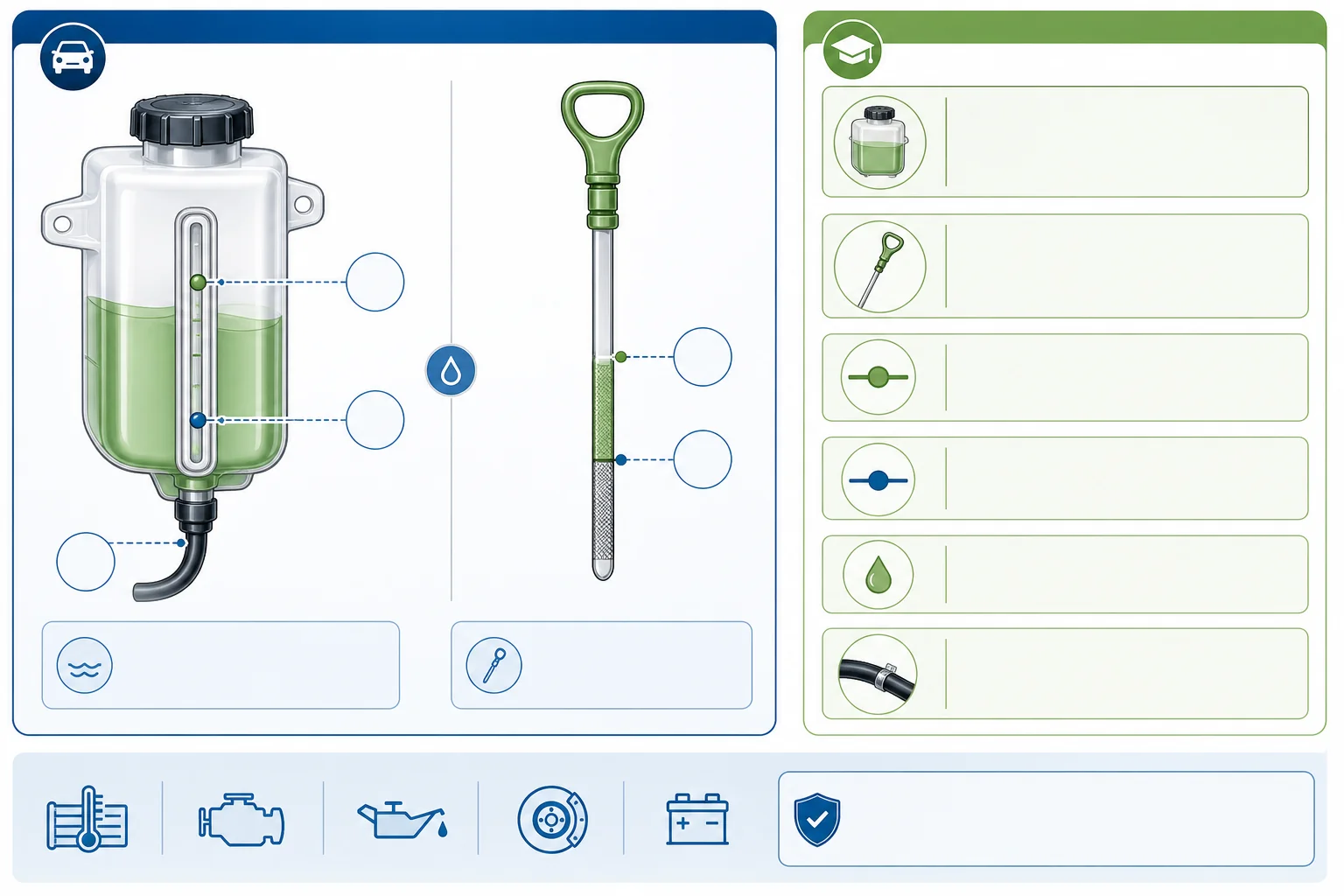
Fluid reservoirs appear on a single row in many multipoint forms, yet each label carries distinct meaning for long-distance travel preparation. This article explains parallel reading between glossary cards and report columns without transferring conclusions to your vehicle.
Parallel reading workflow
Open the glossary card for a fluid type and the corresponding report column simultaneously. Match abbreviations before reading numeric or color-coded values.
Neutral term comparisons
When two shops use different labels for the same reservoir, both terms appear in our tables with a neutral definition column.
Document version tracking
Record the revision date of each glossary card next to your personal notes so you know when terminology last changed on the portal.
AI assistance boundaries
Draft suggestions from automated tools are reviewed by editors; algorithms do not evaluate fluid condition on your vehicle.
Financial education angle
Estimate rows for fluid top-offs are described as informational fields tied to document structure, not forecasts about your invoice.
Reader takeaway
Parallel reading builds vocabulary for shop conversations; certified technicians remain authoritative for on-site fluid evaluation.
Extended reference notes (part 1)
Readers on geomorpholq often revisit glossary cards after completing a first pass through a module. The practice reinforces neutral vocabulary for pre-trip inspection reports: odometer columns, fluid level rows, brake pad thickness fields, tire tread depth notes, battery load test references, suspension observation comments, and air conditioning performance rows kept separate. When comparing two PDFs from different dates, focus on which fields changed — mileage intervals, coolant color notes, pad measurements, or technician observation comments — rather than interpreting severity independently. Educational copy describes how certified facilities document findings before long trips; it does not certify your vehicle or authorize repairs. If manufacturer service bulletins or shop requirements apply, follow official channels. Study blocks remain available around the clock so you can align terminology across comprehensive diagnostics, engine checks, brake system control, suspension inspection, air conditioning verification, tire control, battery checks, auto electrical review, fluid verification, and trip preparation planning for long-distance travel tracks at your own pace.
Extended reference notes (part 2)
Readers on geomorpholq often revisit glossary cards after completing a first pass through a module. The practice reinforces neutral vocabulary for pre-trip inspection reports: odometer columns, fluid level rows, brake pad thickness fields, tire tread depth notes, battery load test references, suspension observation comments, and air conditioning performance rows kept separate. When comparing two PDFs from different dates, focus on which fields changed — mileage intervals, coolant color notes, pad measurements, or technician observation comments — rather than interpreting severity independently. Educational copy describes how certified facilities document findings before long trips; it does not certify your vehicle or authorize repairs. If manufacturer service bulletins or shop requirements apply, follow official channels. Study blocks remain available around the clock so you can align terminology across comprehensive diagnostics, engine checks, brake system control, suspension inspection, air conditioning verification, tire control, battery checks, auto electrical review, fluid verification, and trip preparation planning for long-distance travel tracks at your own pace.
Extended reference notes (part 3)
Readers on geomorpholq often revisit glossary cards after completing a first pass through a module. The practice reinforces neutral vocabulary for pre-trip inspection reports: odometer columns, fluid level rows, brake pad thickness fields, tire tread depth notes, battery load test references, suspension observation comments, and air conditioning performance rows kept separate. When comparing two PDFs from different dates, focus on which fields changed — mileage intervals, coolant color notes, pad measurements, or technician observation comments — rather than interpreting severity independently. Educational copy describes how certified facilities document findings before long trips; it does not certify your vehicle or authorize repairs. If manufacturer service bulletins or shop requirements apply, follow official channels. Study blocks remain available around the clock so you can align terminology across comprehensive diagnostics, engine checks, brake system control, suspension inspection, air conditioning verification, tire control, battery checks, auto electrical review, fluid verification, and trip preparation planning for long-distance travel tracks at your own pace.
Extended reference notes (part 4)
Readers on geomorpholq often revisit glossary cards after completing a first pass through a module. The practice reinforces neutral vocabulary for pre-trip inspection reports: odometer columns, fluid level rows, brake pad thickness fields, tire tread depth notes, battery load test references, suspension observation comments, and air conditioning performance rows kept separate. When comparing two PDFs from different dates, focus on which fields changed — mileage intervals, coolant color notes, pad measurements, or technician observation comments — rather than interpreting severity independently. Educational copy describes how certified facilities document findings before long trips; it does not certify your vehicle or authorize repairs. If manufacturer service bulletins or shop requirements apply, follow official channels. Study blocks remain available around the clock so you can align terminology across comprehensive diagnostics, engine checks, brake system control, suspension inspection, air conditioning verification, tire control, battery checks, auto electrical review, fluid verification, and trip preparation planning for long-distance travel tracks at your own pace.
Extended reference notes (part 5)
Readers on geomorpholq often revisit glossary cards after completing a first pass through a module. The practice reinforces neutral vocabulary for pre-trip inspection reports: odometer columns, fluid level rows, brake pad thickness fields, tire tread depth notes, battery load test references, suspension observation comments, and air conditioning performance rows kept separate. When comparing two PDFs from different dates, focus on which fields changed — mileage intervals, coolant color notes, pad measurements, or technician observation comments — rather than interpreting severity independently. Educational copy describes how certified facilities document findings before long trips; it does not certify your vehicle or authorize repairs. If manufacturer service bulletins or shop requirements apply, follow official channels. Study blocks remain available around the clock so you can align terminology across comprehensive diagnostics, engine checks, brake system control, suspension inspection, air conditioning verification, tire control, battery checks, auto electrical review, fluid verification, and trip preparation planning for long-distance travel tracks at your own pace.